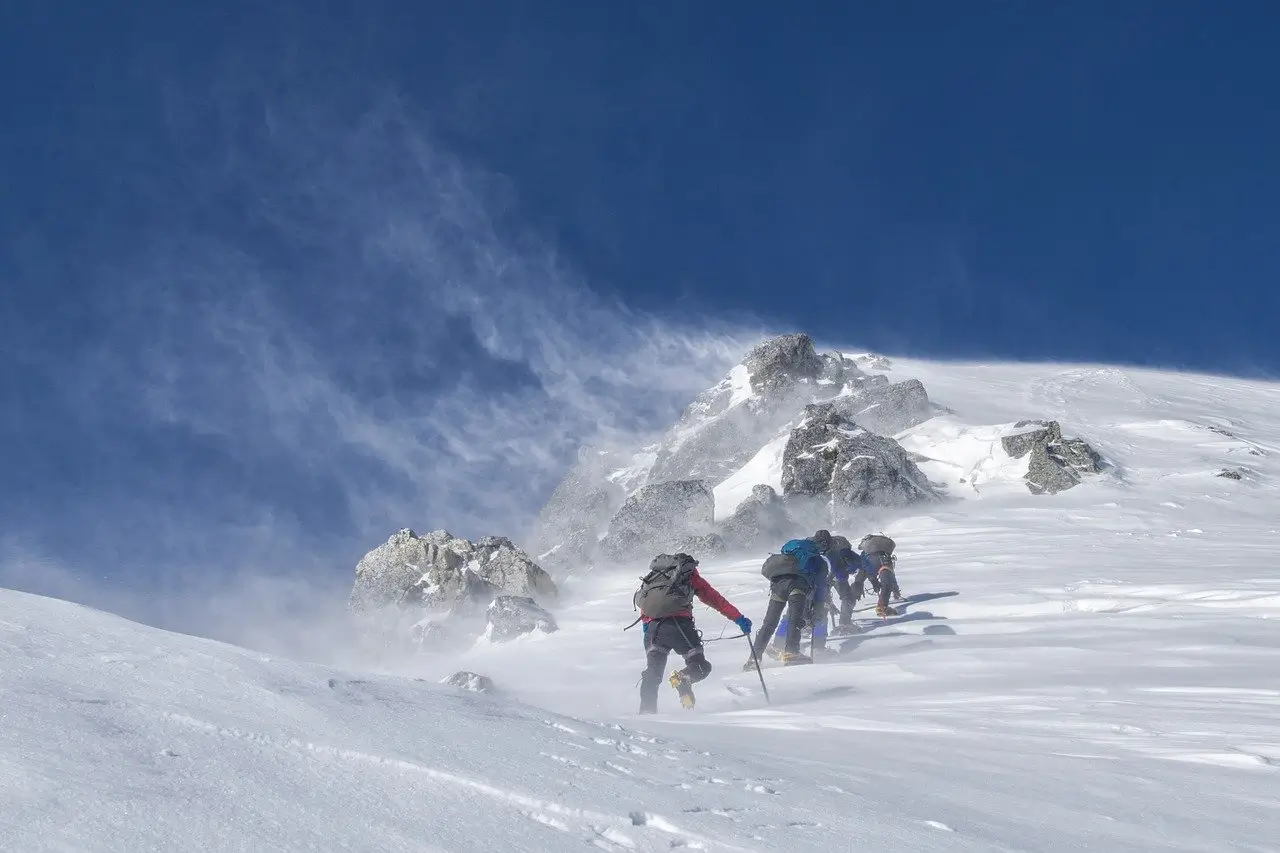
Rocky or icy terrain, lots of physical and technical effort. Also known as mountaineering, alpinism is a set of outdoor recreations including traversing, ice climbing or other mountain-related activities that help climb up the snow-capped peaks with the gear that is necessary to accomplish all what you set out to do. Cool enough, but not so easy as it seems. Let alone mention its dangers which provide the best adrenaline boosting moments by far.
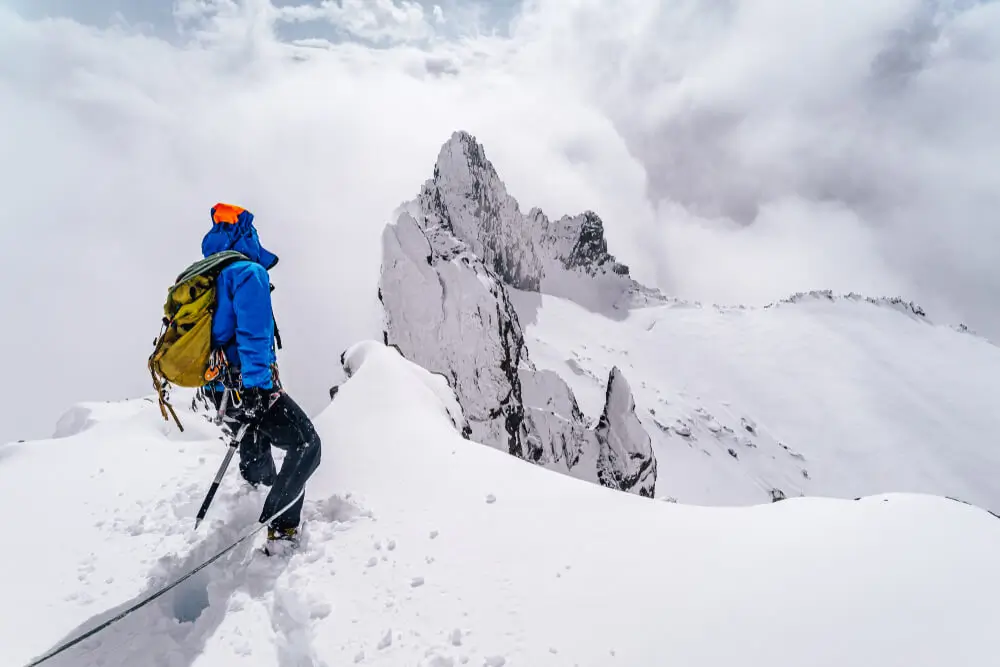
Actually, mountaineering and alpinism are two different approaches, taken to get to the summit. Mountaineers ascend and descend a mountain several times to acclimatize while alpinists try to climb in one determined push. Same goal, same equipment but not the same finalizing. Alpinism is just like a last touch of mountaineering, especially when the subject is a bit challenging or not so high to require more days to complete the event. No one can overcome a mountain over 20,000 feet or an eight-thousander in one day.
History of alpinism
As for the history of these two peak conquering recreations, it can date back to the primeval times of humanity. Reaching up is one of basic instincts for all living creatures. The instinct for survival. However, scaling mountains for as a hobby started with the year 1760. A Genevan geologist, Horace Bénédict de Saussure, made his first unsuccessful attempt to climb Mont Blanc which is in France. After this failure, he decided to find the way up and set a price for rewarding anyone who would first visit the top of the mountain which would be achieved by a doctor, Michel-Gabriel Paccard, and a crystal gatherer, Jacques Balmat, in 1786.
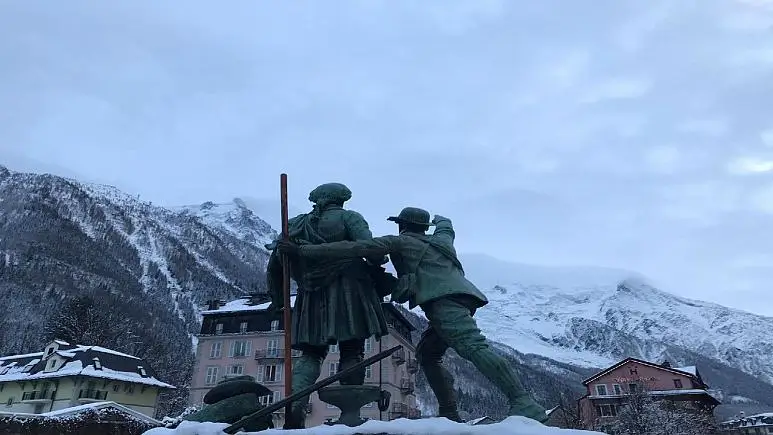
Then, the alpinism revved up. First, The Chamonix Guides Company for climbing Mont Blanc was established in 1823 and The Alpine Club in London when the year was 1857. After them inaugurations, the period that is considered the golden age of mountain adventures began. The Alps were under siege of mountaineers and alpinists who would scour Europe in the following century till they wanted to see another parts of the world. Like the Himalayas. The next charming region with the tallest mountains spread over.
‘The Ice Claw’
Gaining popularity, there also appeared the necessity of using proper equipment to prevent accidents too. In 1908, an English adventurer Oscar Eckenstein came forward with his invention ‘the 10 point crampon‘. He was a rock climber and wanted to make climbing on ice or hard surface easier. According to his opinion, boots could give a good grip, reducing the burden of shoulders that swing axes while ascending or in case of emergency.
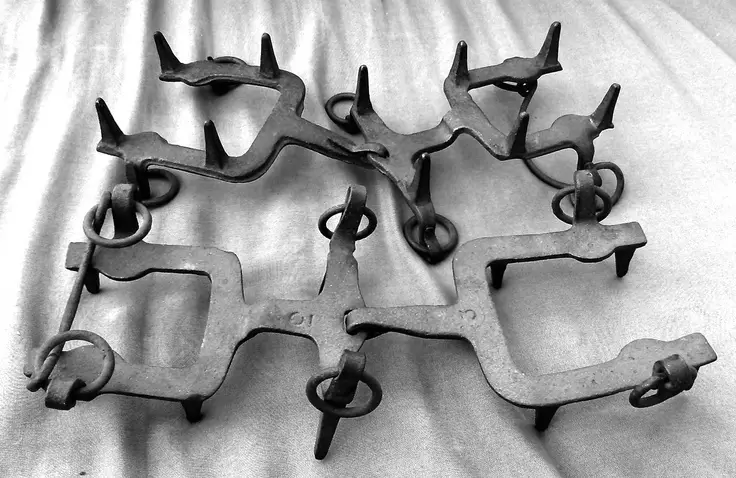
Moreover, the evolution of the ice axes used, invention of other climbing gear such as harness, parachute cord and some gadgets like locking carabiner or belay device came in handy for the summit lovers who began to carry out safer expeditions in time. Combined with the experiences through the years, a consequent way of doing this pure mountain-climbing technique was developed so as to be applied when or wherever we need to. Everest, K2 or one of them Alps. All beaten, over and over. Thanks to alpinism and its sibling, mountaineering.
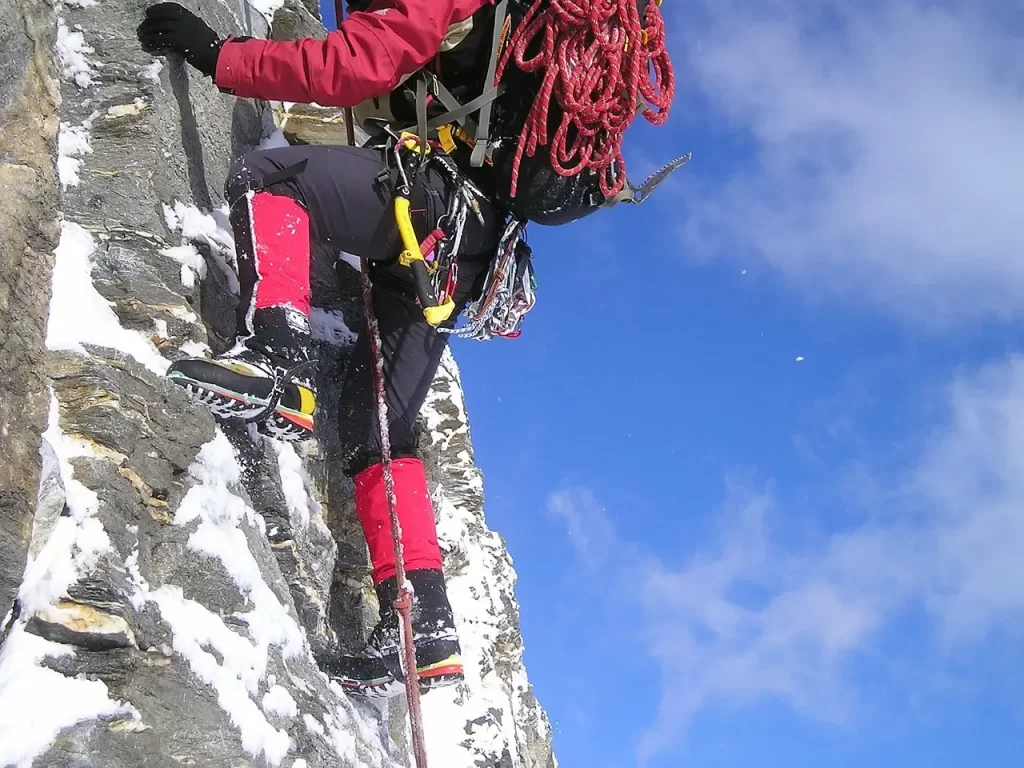
Some of Essential Equipment
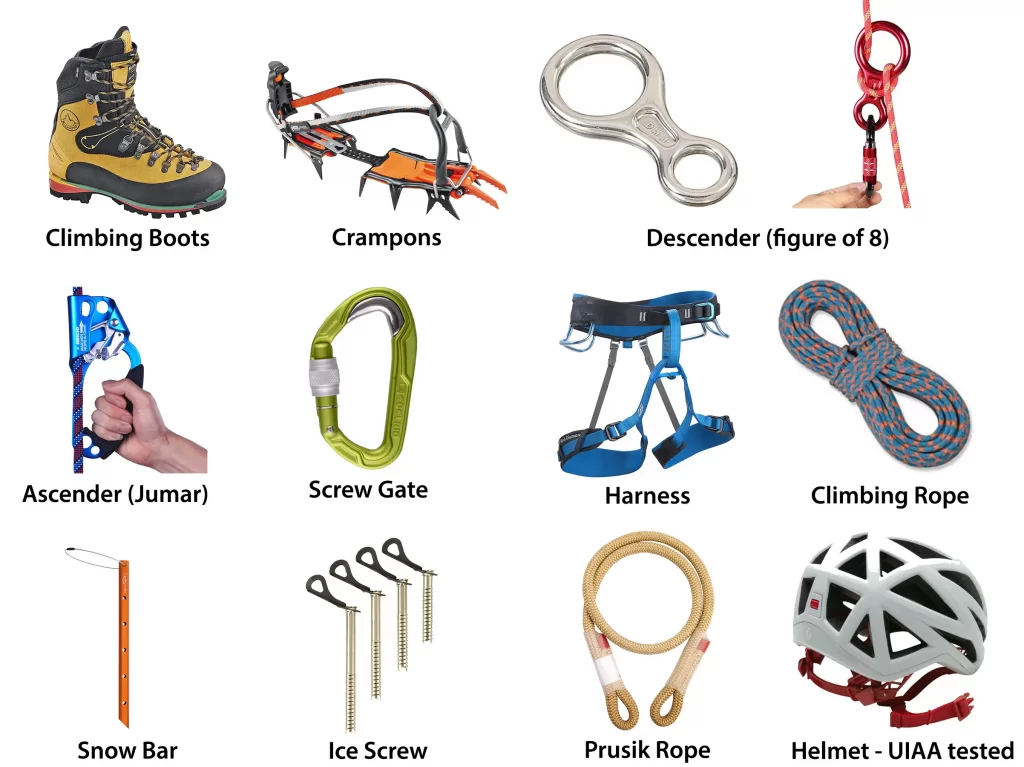
- Fixed rope : To get anchored to the point of protection.
- Climbing rope : To ascend or descend the mountain.
- Crampons : To walk or climb in slippery surfaces.
- Ice Axe : To move over the terrain covered in ice and snow.
- Ascender ( Jumar ) : To provide protection while ascending.
- Figure 8 / Descender : To facilitate steady and smooth descent. Commonly used as a belaying device.
- Carabiner : To connect components swiftly. Screw gates are carabiners with locking mechanisms.
- Harness : Equipment consists of waist belt and leg loops to secure the climber to a rope or anchor point.
- Ice Screw : Used for belaying or as an anchor.