Camping. New comprehension for most of us to get away from all stresses of life, as we mentioned in our previous essays. Besides, a surprising situation of the world, the pandemic, made camping or another outdoor activity more attractive than before. Everyone is now a camper, a backpacker who chases secluded places to spend their precious time securely. We all turned to be outdoorsmen and women. Which is good news. So, how much do we know about this rising madness ‘camping’? About its history? Be ready. Lesson ‘History of camping‘ is about to start.

First Campers
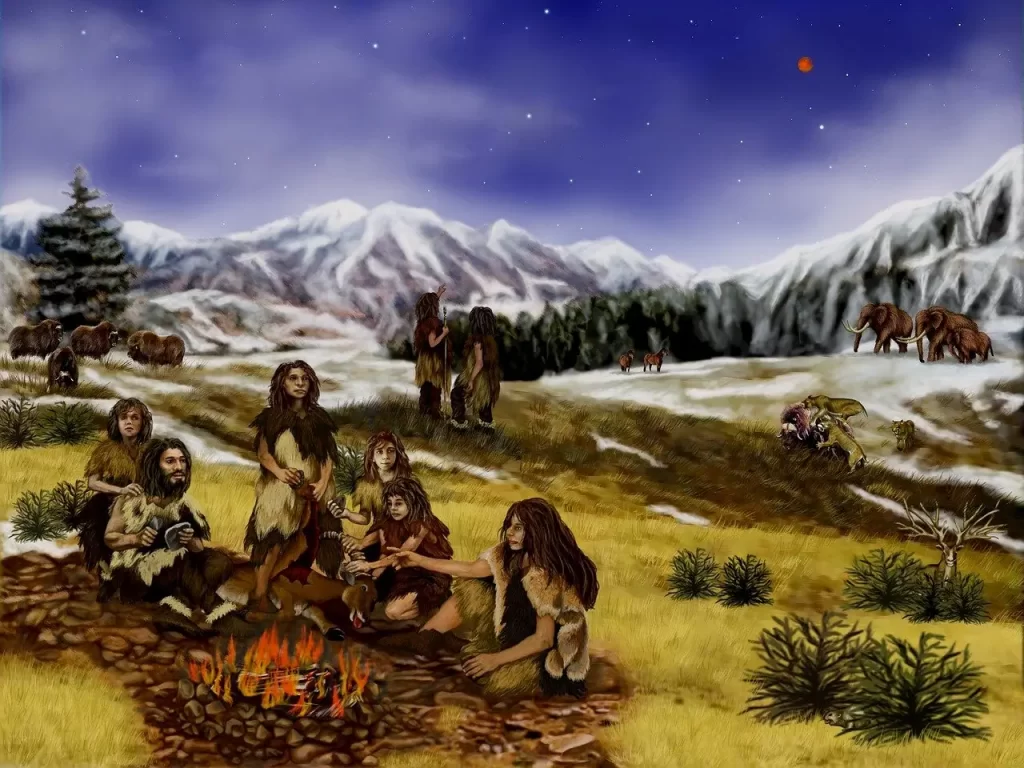
The great outdoors has always had an important role in existence of human since the very first day. Caves, tree hollows and other shelter-like formations in nature had accommodated our great great ancestors. Being hunter-gatherers required a nomadic lifestyle. Run after game, find a place to take shelter and then make a fire. Literally, they were the first campers of history. They had to be, though. Living permanently in a place could have meant death to them. Even though settled life began, hunting resulted in staying outside for ages.
Yet, it was late Victorian times that the recreational camping started to be seen in the UK. A British tailor, Thomas Hiram Holding, who founded the Association of Cycle Campers in 1901 and wrote the first edition of The Camper’s Handbook in 1908 is considered the father of modern-day camping due to his cycle and canoeing camping tours with a simple tent he had made. A single sheet of canvas tensioned by strings which were fastened to the sticks driven into the ground.
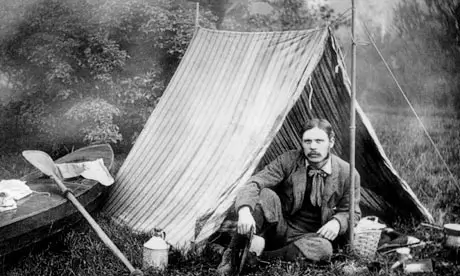
The father modern-day camping, Tomas Hiram Holding
His passion for the outdoors derived from the years he had to spend five weeks camping on the banks of the Mississippi River with his family. His parents had decided to emigrate to America, leaving Britain behind. Actually, the Holdings wanted to cross North America as far as Salt Lake City, to settle for a new life if two siblings of Thomas hadn’t died along the way and there hadn’t been tidings that the grandfather had passed away. No other choice but for returning to Britain, where he would later go on those camping trips in the Scottish Highlands and Ireland with his friends, causing him to be the pioneer of organized camping although there seemed some other individual attempts around the world.
Trips brought books, books inspired many who helped developing of camping significantly. Robert Falcon Scott, a naval officer famous for his Antarctic explorations, and Robert Baden-Powell, a British army officer and founder of the Boy Scouts and the Girl Guides, were successors of him and the following presidents of the first camping club that had merged with a number of other clubs. The Camping Club of Great Britain and Ireland. A leading organization that paved the way for other clubs founded in western European countries.
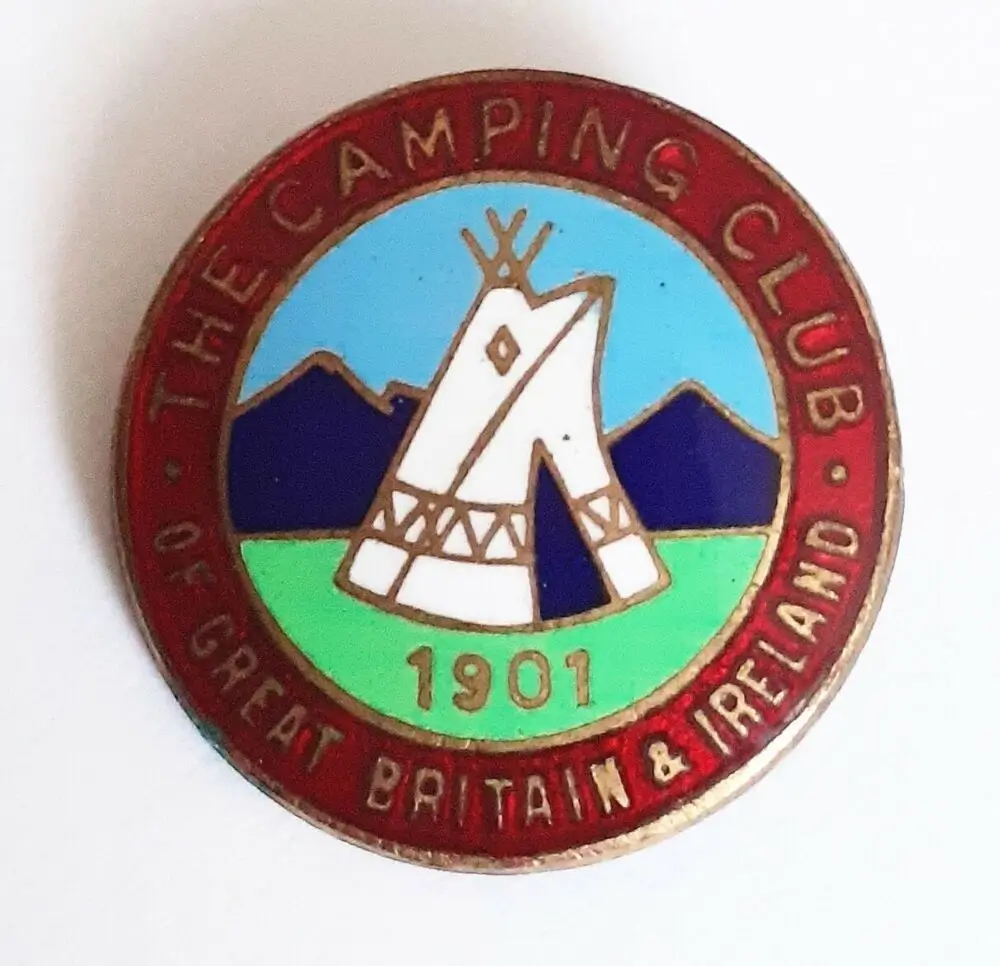
Two milestones in the history of camping
The 20th century was thriving of camping, thanks to early enthusiasts and entrepreneurs. As a matter of fact, local tribes and soldiers in any continent had already been using tents but there was no commercial production of them to buy till some companies such as Eureka! came forward. The rest was the advent of manufacturing tents in the first half, and the popularizing of RVs in the second half of the century which were the milestones that prompted people to desire to go outdoors.
Also, the British still continue contributing to camping. In 2007, they created a new way of having outdoor experience that broke all the unwritten rules. A bit luxurious one, for the ones who don’t want to prefer wild one. Glamping. The latest entry in the long history of camping.