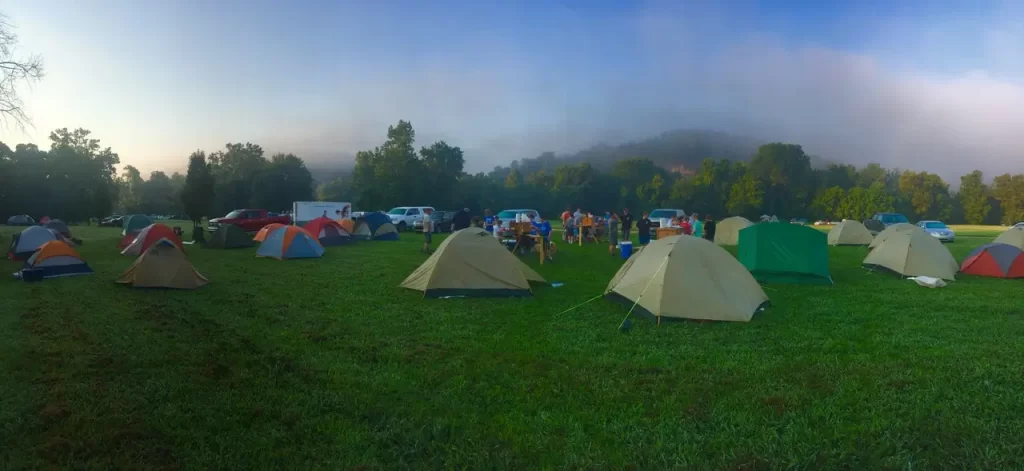
To say ‘I literally breathed nature in’, do we need a campsite that is generally populous and noisy which can sometimes be unbearable? Some facilities they have make them indispensable? Maybe they are, especially for families or couples who don’t have other choices but for living within some limits. Glamping sites or camping grounds are perfect places them to have an outdoor experience. Yet, what about the unflinching ones? Do they have to stay within limits too? Doesn’t wild camping work for them?
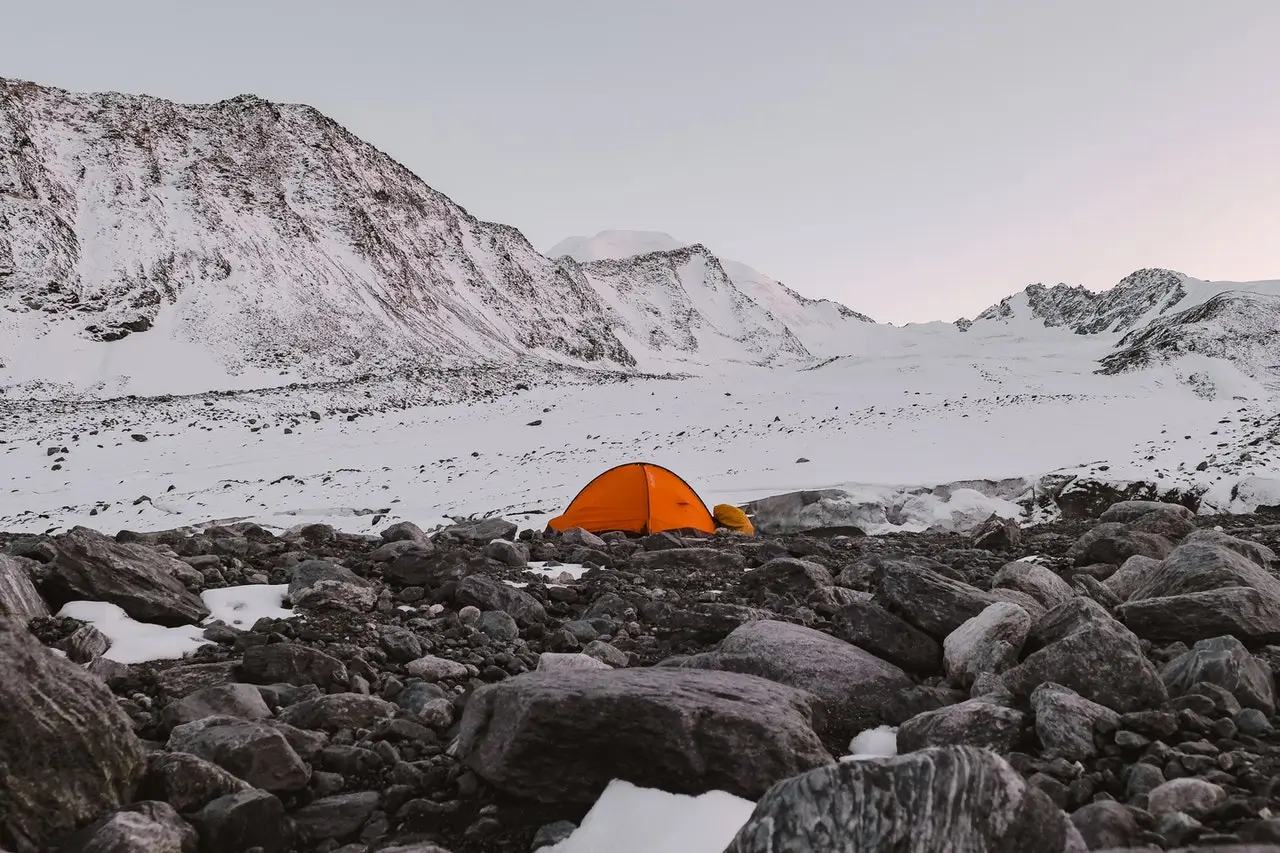
Wild camping comes to the fore at this point, only providing nature itself for the ones who actually seek that. No toilet, no hot bath or electricity. The comfort we want to leave it behind, having chosen to be a camper. Stripped such convenience off which causes many outdoor adventures to be more delightful. With wild camping, you have more freedom combined with less easiness. As if being left on your own in the middle of nature, away from technologically invaded world of human, unaware of constantly evolving civilization that becomes hard to catch up day by day. Sometimes all we need is to be all alone, wrapped by wilderness.

Isn’t it? Or it is just a misthinking, a complexity of challenging moments that couldn’t be known unless it is experienced. Is it wise to go that much further, raising a tent wherever you want right in the middle of mother nature with them… The animals, insects, reptiles, every kind of living thing. Let alone talk its legal situation. There is a question that we shouldn’t forget to ask ourselves. Do we have to get permission from any authority? Camping out in a national park requires what?

Legality
Even if we are hell-bent on wild camping not being afraid of them other inhabitants of nature, it is illegal in some countries. In Scotland, the Land Reform Act 2003 established statutory public rights of access to land, yet other countries such as England, Wales or Northern Ireland are comprised of private land which requires permission from the landlord if you don’t want to get sued.
As for the US, it is a different story. A great deal of land is under the control of the Bureau of Land Management providing approximately 250 million acres of public land which enables to go wild camping without any doubt. As long as you don’t negatively affect surrounding wild life and national resources of course. To minimize the impact of human on the land, they demand you not to stay in one place no more than consecutive fifteen days too.
In short, you should check out your country’s law before starting an expedition through the great outdoors. Even making a small fire can lead to big pecuniary penalties depending on where you are living in. Nature usually means forests, forests always mean highly protection. Knowing this, anywhere can be a perfect place to pitch your tent. The world is full of breathtaking spots for wild camping.

5 Rules of Wild Camping
Water : Without purification, do not drink any water you find in nature. How to purify water then?
Food : Always carry enough food which has a long shelf life. And, if you have to cook something, try to dig a Dakota fire hole. ( Near a tree, to disperse smoke, dig two connected holes about one foot deep that the second one, which one is smaller, opens to the wind. At the bottom of the first one, make a fire. )
Encounter : Don’t forget you can go into the living area of particular animals, rejecting classical campgrounds. So, mind your surroundings.
Direction : It is possible to get lost while getting off the beaten track. A GPS device, compass, personal locator beacon ( PBL ) and satellite messenger are what a wild camper must have. And, you should inform authority or person who is responsible for the region of your possible location.
Trace : Leave nothing behind. Whatever you consume, take their remnants with you. Since a simple water bottle decomposes over thousand years, think how bad an artificial material we drop carelessly causes harmful effects on ecosystem would be.