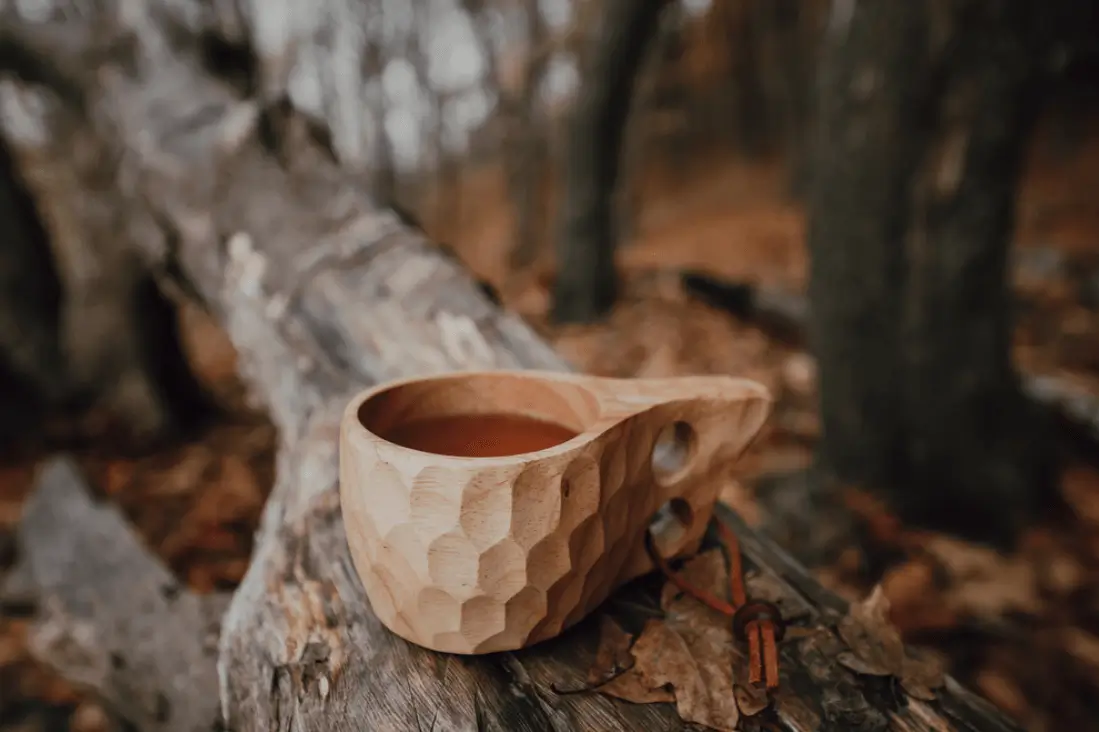
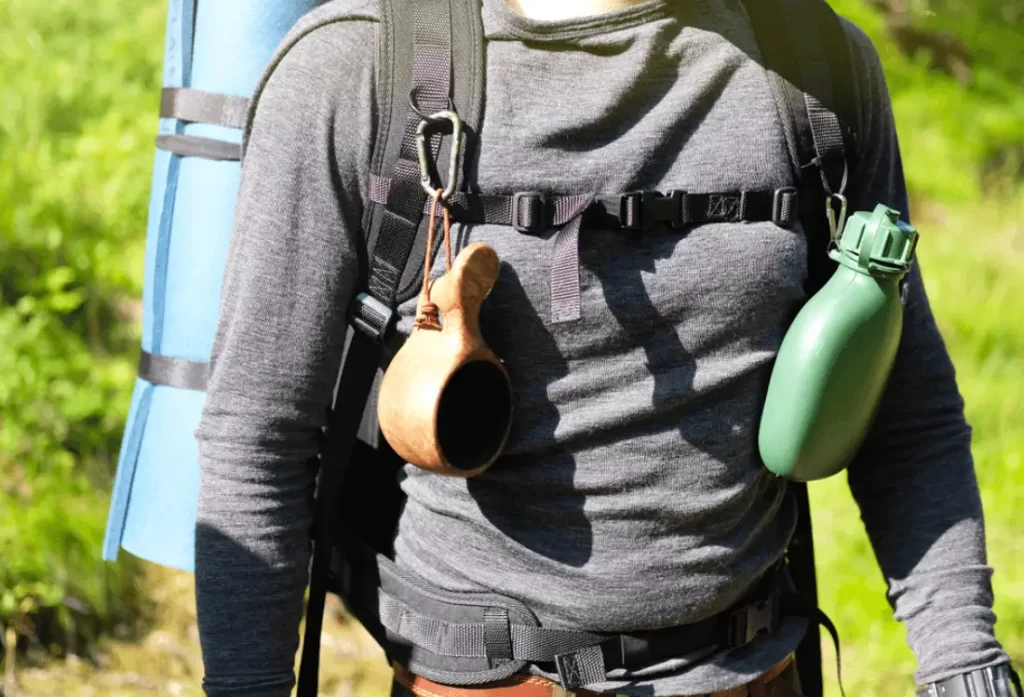
Nowadays, we have begun to see wooden cups dangling from backpacks. Some of them with a carabiner that attached to the handle, some of them just with a leather string. Lightweight and practical. They became a part of campers and hikers, particularly for the ones who know the background of these cups that named Kuksa. So, what is this Kuksa? Where did it come from and how is it made? Because of rigid nature of wood itself, doesn’t it crack when meeting boiling water? Don’t worry. Old Ranger knows the answers. Let’s begin.
Coming from Nordic origins, Sami people of Lapland region, Kuksa is generally known by everyone to be used by Finnish people. Called as ‘Guksi’ too, this traditional wooden cup has a special value among northern countries of Europe. Believed not to buy, just carving it by yourself or receiving as a gift, they think these cups represent the connection between human and nature. According to some beliefs, a Kuksa and its owner never break up. Moreover, handed down from generation to generation, it continues to serve until it is worn out to be used.

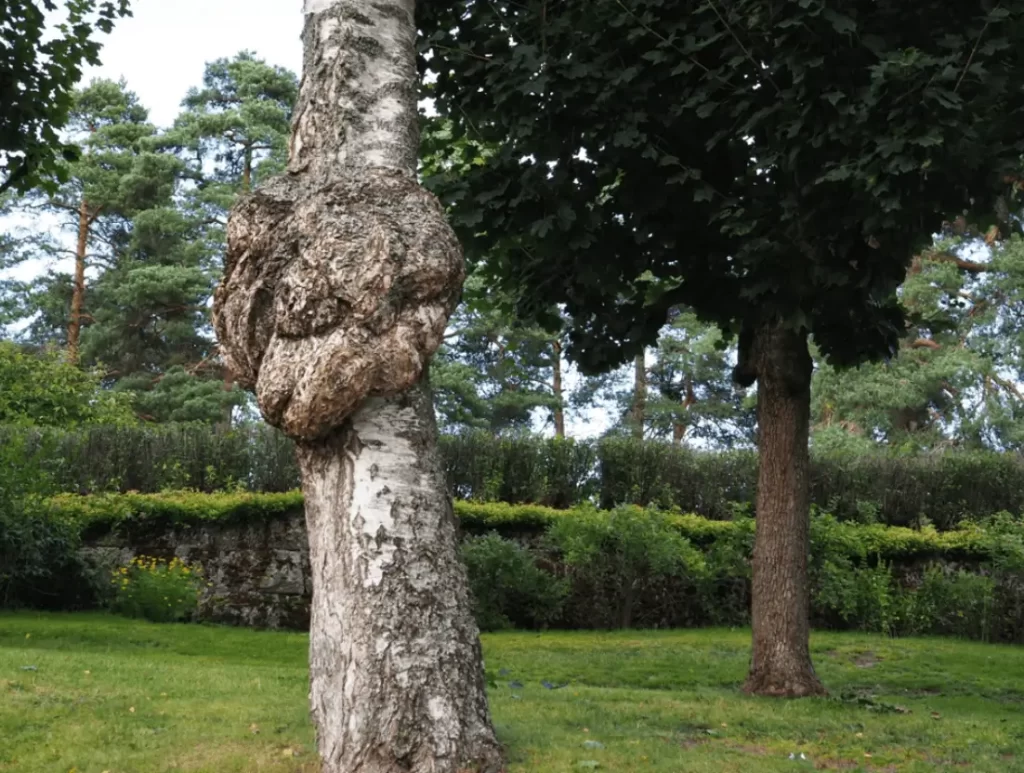
Due to harsh weather conditions of their region, the Sami preferred using the burl of birch trees which is an outgrowth on the trunk and more durable than other part of the tree. Its outcome can withstand big temperature differences, allowing to pour boiling water even in the freezing cold degrees below 0°C. It doesn’t get burning hot, unlike porcelain or metal that is conductive and thus burns your hands. However, to make a Kuksa, another kind of wood can be used as well. Such as walnut, oak or olive. You should just know that the risk of cracking of birch burl is less than the others by far.
How to make a Kuksa?
It is also important to have dry wood to work on it. If it isn’t dry enough, it will crack sooner than you can imagine no matter how good you lubricate it. In the case of suspicion of its dryness, you can boil the unfinished cup with salt water for an hour. Salt helps the natural liquids that remain inside of the wood to be removed and, after two or more days, applying vegetable oils (linseed or olive), you will have an unique handmade Kuksa. Also, it will be good to lubricate it for one more time. As a last touch, use wood balm to cover outer shell of it.
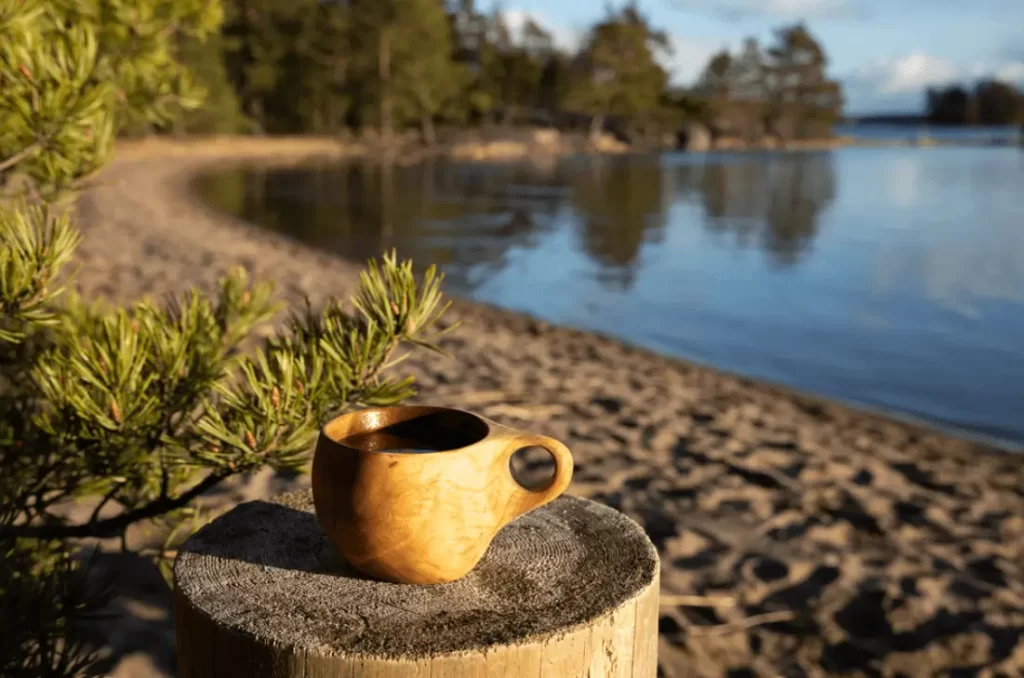
In time, the cup adapts to the liquid taste, so, for better taste, you should use it for one certain kind of liquid. Either tea or coffee. No one wants to have a coffee taste while drinking tea. After a couple of years of use, the taste of liquid you choose mixed with wood itself gets better and makes you understand why this cup is so priceless. Not to spoil this taste, it is necessary to use only water for cleaning. Detergent usage will harm its nature and that matchless taste.
In the following video, an outdoor enthusiast from Turkey makes a Kuksa from well-dried olive wood. He first draws the lines of Kuksa he imagined to have on the wood, then begins hollowing out the bowl. Removing the waste wood by using an axe and a saw, he starts sanding for finalization.
Or, you may have no leisure time to make one and Finnish relative to receive it as a gift. Then, buying one appears to be another option to have a Kuksa and we drop here some links of different brands on Amazon.
überleben Dursten Lore
Mochiglory
Loffee&Sea
or more different Kuksa, visit amazon.com.
Also for the UK;
überleden Dursten


BSGB


Kitchnexus


